Entry · Ref V4-PIHGQ
Locked out of your car: the safest first steps
- Posted
- 2026-11-23
- Last amended
- 2026-11-23
- Account
- @thelockjournal
Getting locked out of your car is one of those moments that can rattle even the calmest driver. Whether you left the keys on the passenger seat, the fob stopped working, or the door handle froze, the first few minutes matter. A rushed decision can damage the car, leave you stranded longer, or cost more than necessary. Here is what to check before you reach for anything that could scratch the paint or bend the door frame.
Pause and confirm the situation
Before anything else, take a slow look around. Are all doors truly locked? Sometimes the driver side is locked but a rear door is not, or the trunk release still works. Walk around the car and try every handle, including the hatchback or tailgate. If you have a spare fob in a bag or coat inside the car, a brief press of the unlock button on the glass might work on some models. This sounds obvious, but in the moment it is easy to overlook.
If the car has a manual lock button on the inside and a window is slightly open, you can sometimes reach in with a slim tool or even a coat hanger. But this is where caution matters. Modern cars have wiring inside the door cavity, and poking around blindly can tear a speaker wire or damage the lock actuator. The best move is to stop and think about what kind of key and lock system you are dealing with.
Check what kind of key you own
Not all keys are the same. A traditional metal key that turns a mechanical lock is straightforward. A transponder chip key has a small electronic chip inside the plastic head that communicates with the car's immobiliser. A key fob or smart key relies on a wireless signal to unlock the doors and start the engine. Each type needs a different solution for a lockout.
If your car uses a smart key and the battery inside the fob is dead, you may still be able to unlock the door with a hidden mechanical blade. Many fobs have a small release button that slides out a physical key. That key usually opens only the driver door, but it is enough to get inside. Once inside, you can press the fob against the start button or place it in a specific spot in the centre console to start the car. Check the owner manual for this procedure before you call for help.
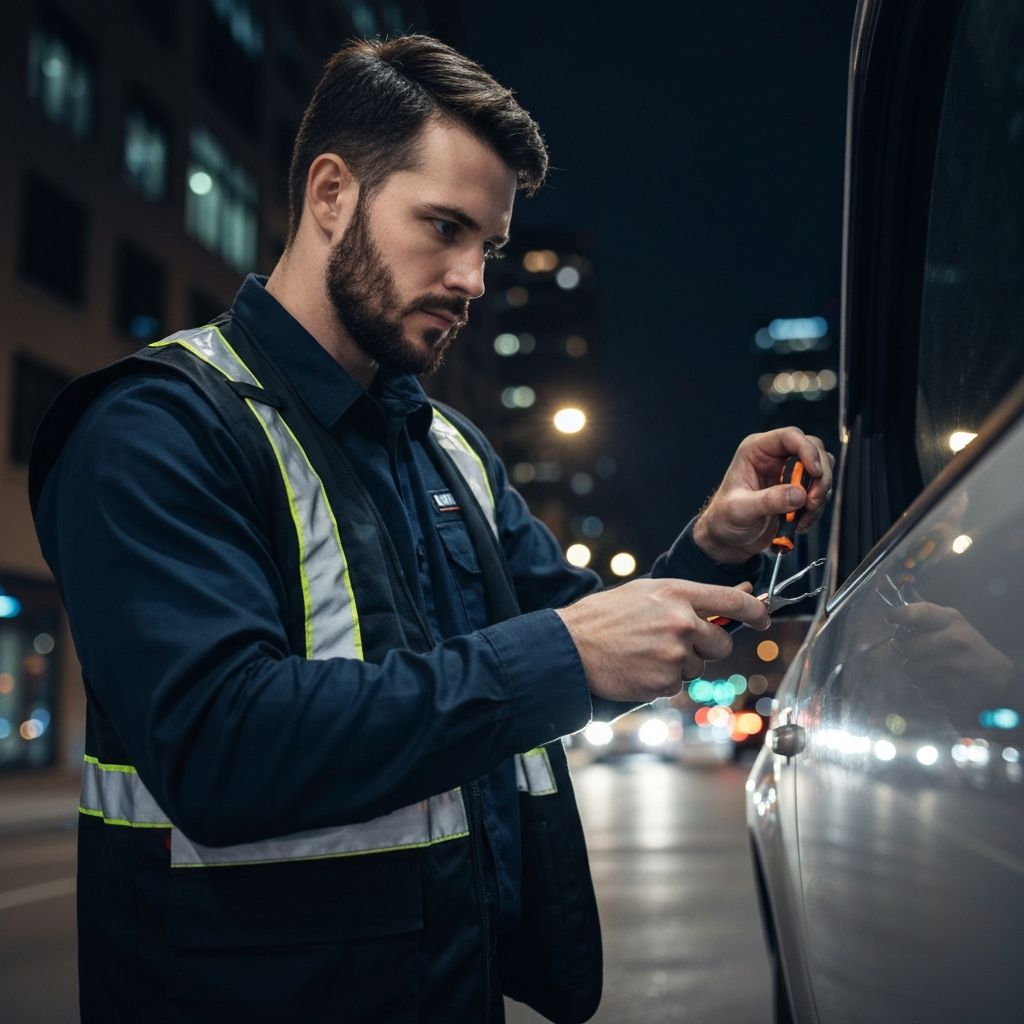
For a transponder chip key without a dead battery issue, the problem is often being locked out, not a key malfunction. In that case, you need a way to get inside without triggering the immobiliser or setting off the alarm.
Look for non destructive entry options first
Professional locksmiths and roadside assistance teams use non destructive entry methods that avoid drilling locks or breaking windows. These techniques rely on tools that slide between the window glass and the weather stripping, or inflatable wedges that create a gap wide enough for a long reach tool. The goal is to unlock the door without leaving permanent marks or damaging the sealing rubber.
If you are waiting for help, you can help the process by pointing out which door you saw lock last, and whether the car has an aftermarket alarm or a steering wheel lock. This saves time and reduces the chance of false alarms. Some of the fastest lockouts happen because the technician knows exactly which door to work on.
For older vehicles with simple lock cylinders, a skilled person can often pick the lock in under a minute. Newer cars with electronic locks usually require accessing the interior through the door panel or using a tool that presses the unlock button from the outside. Both approaches work well when done carefully.
Gather your vehicle identification and proof of ownership
Most locksmiths and towing services will ask for proof that you own the car before they open it. This is standard practice to prevent unauthorised access. The simplest document is the vehicle registration or the insurance card with your name and the vehicle identification number. If those are locked inside the car, a driver licence matching the registration details can sometimes be enough. Some companies also verify using the vehicle identification number visible through the windshield on the driver side dashboard.
Having the vehicle make, model, and year ready also helps. Different cars have different door lock mechanisms, window seals, and alarm systems. A locksmith who knows what they are working on can bring the right tools and avoid surprises.
When to call for help and what to expect
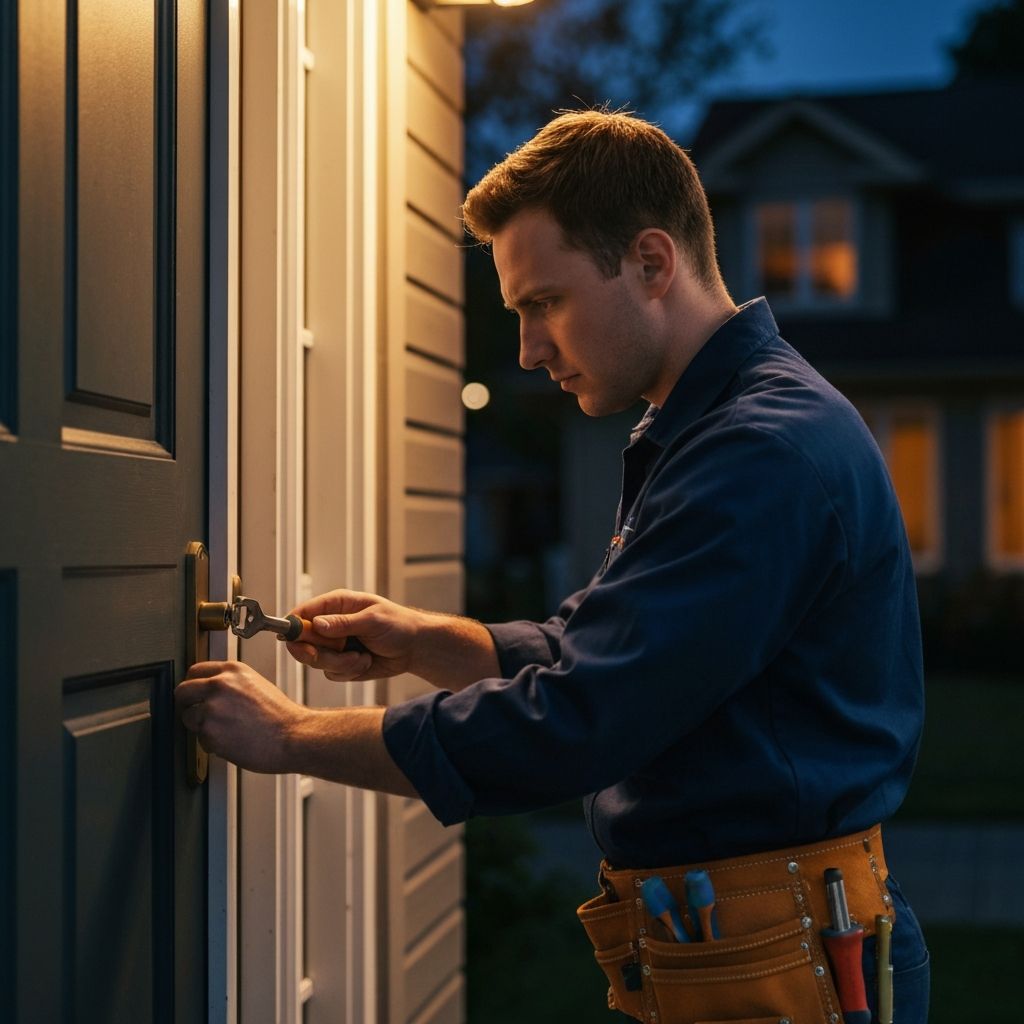
If you have tried the simple checks and nothing works, it is time to call a mobile locksmith or roadside assistance. A reputable provider offers on site vehicle entry help that gets you back in the car quickly and without damage. The cost varies depending on the car, the time of day, and how far the technician has to travel. What matters is that they come to your location with the right equipment and the knowledge to handle modern electronic systems.
On site vehicle entry help is particularly valuable for newer cars with transponder chip keys or smart key systems. These vehicles may require programming or resynchronisation after a lockout, which a general tow truck driver cannot do. A locksmith who carries diagnostic tools and key programming equipment can handle the entire process in one visit. That means you are not left with a working door but a car that will not start.
Avoid common mistakes that make things worse
A few well-intentioned actions can turn a minor lockout into a costly repair. Trying to pry the door open with a screwdriver or a crowbar often bends the door frame, breaks the window seal, or scratches the paint. Pouring hot water on frozen locks in winter can crack the glass or damage the lock mechanism. Using a coat hanger or a piece of wire without knowing where the internal wiring runs can short out an electrical component or trigger the airbag system.
Another common error is leaving the car running while you step out for a second. Many modern cars automatically lock all doors once they reach a certain speed, but some also lock when the driver door closes. If you leave the engine running and the fob is inside, you may be locked out with a running car, which wastes fuel and could lead to overheating or a dead battery if left too long.
If the car has a manual transmission and you are parked on even a slight slope, never try to roll it or push it while locked out. The risk of it rolling away or into traffic is real, and the damage to the transmission or parking brake can be severe. Wait for help and let the professional handle the physical work.
What to do if your key is lost or damaged
A lockout sometimes reveals a deeper issue: the key is lost, broken, or the fob has stopped working altogether. In that case, you will need a car key replacement. This can mean cutting a new mechanical key from a code, or programming a new transponder chip key or smart key. The process requires the vehicle identification number and often a working key to copy from, so if you have no key at all, the locksmith may need to access the ignition cylinder or the car's onboard diagnostic port to program a new key.
Keeping a spare key with a trusted neighbour or family member can save you from this situation entirely. If you do not have a spare, consider having one made now, while you still have access to the car. Many locksmiths can duplicate a key on the spot, and it is much cheaper than a full replacement after a lockout.
The best time to think about car key replacement is before you need it. If your key fob is getting old, the battery is draining faster, or the buttons feel worn, replacing it proactively is simpler than coordinating a replacement while stranded outside the car. The same goes for a transponder chip key that has been dropped or cracked. A small investment in advance can prevent a much bigger headache later.
In short, a car lockout does not have to ruin your day. Stay calm, check every door, confirm what kind of key you have, and call someone who offers on site vehicle entry help. The right professional will get you inside without breaking anything and can handle any key replacement needs on the spot. A little patience and the right call keep your car safe and your stress low.